Demigods are mortal
The Night CleanerDemigods are mortal is the rule that limits the apparent permanence of divine inheritance: even a demigod who seems immortal is living on borrowed time. The rule complicates Draco’s long pursuit of Dorian, then gives their final confrontation its fatal significance.
Meaning and Limits
The evidence distinguishes apparent immortality from true exemption from death. Draco initially discovers that Dorian is immortal, a revelation that frustrates his effort to destroy him. Yet the broader rule is that even demigods die eventually; longevity does not erase mortality, but postpones its arrival.
Draco’s Pursuit of Dorian
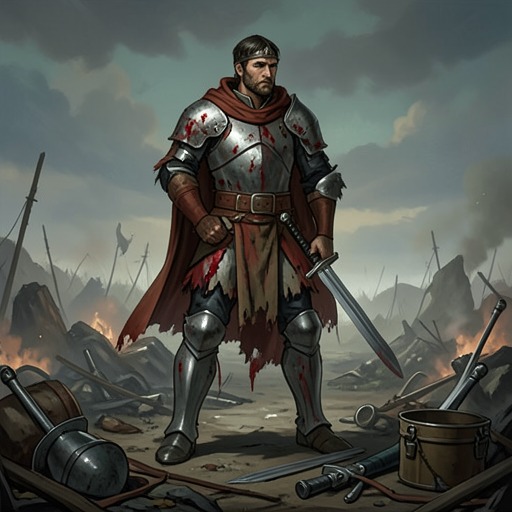
Draco’s pursuit grows out of anger and jealousy, which he allows to fester until hatred takes hold. He trains for centuries, aiming to defeat Dorian, described as the infamous general of ancient Greece. Discovering Dorian’s immortality turns that goal into a contest against an opponent who seems beyond an ordinary end, though Draco ultimately fails to best him.
The Rule at the Confrontation
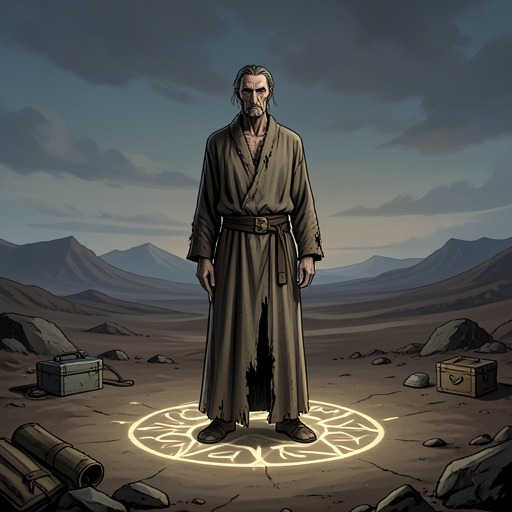
At the culmination of their conflict, Draco watches Dorian move toward the darkness that beckons him. Draco states that demigods are not immortal and that Dorian has been living on borrowed time. The moment resolves the apparent contradiction: Dorian’s extended life and formidable presence do not make him deathless.
Consequences and Significance
The rule separates Draco’s responsibility from his grief. The observing narrator does not blame Draco for what happens, but grieves that Draco failed to see what the narrator had seen in Dorian. Mortality therefore does more than establish a limit on demigod life; it makes the end of Dorian’s long existence possible while leaving the emotional meaning of his life contested.